
It’s 2 a.m., and the scratching behind the ceiling won’t let you sleep. Mice and rats treat a warm attic like prime real estate, and a few cheap traps from the hardware store rarely solve the actual problem. To stop them for good, you have to fix what’s drawing them in.
Standard fiberglass insulation happens to be exactly what rodents look for: something soft to burrow into and raise a litter in. Upgrading to professional rodent-resistant insulation addresses that directly, keeping your home quieter, safer, and pest-free well beyond this season.
Why Your Attic Is a Playground for Pests
Rodents want the same basics we do: warmth and a safe place to hide. An attic offers both. Once they’re in, the damage adds up quickly. They chew through structural beams and wiring to keep their teeth worn down, which puts your electrical system at real risk of a short or a fire. They also leave behind urine and droppings that affect indoor air quality.
Standard fiberglass does nothing to stop this. It’s soft, easy to tear apart, and offers no resistance, so it ends up serving as both a nesting material and a bathroom.
What Is Rodent-Resistant Insulation?
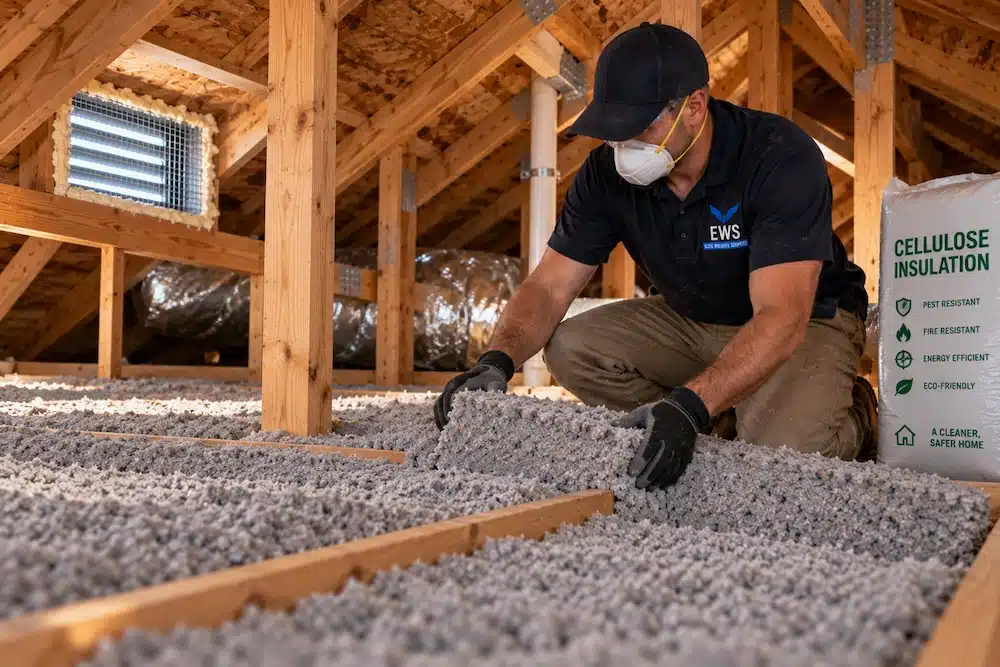
The material isn’t complicated. It’s mostly recycled paper fiber, known as cellulose insulation, treated with borate minerals during manufacturing. Borate treatment is a standard, EPA-registered method used in cellulose insulation both to resist fire and to make the material inhospitable to insects and rodents.
When pests try to chew or burrow through it, the treatment makes the material unappealing to eat or nest in, which discourages them from settling there in the first place. Properly installed in an attic space, it poses no meaningful exposure risk to the people living below it.
Top Signs You Need Better Pest Control Insulation Solutions
You don’t have to actually see a mouse to know your attic has a problem. Watch for:
- Scratching or scampering sounds behind the walls or in the ceiling.
- Small, dark droppings near walls or inside storage containers.
- A musty odor that lingers even with windows open.
- Shredded paper, chewed boxes, or gnawed plastic containers.
- A noticeable jump in energy bills, often a sign your insulation has been torn up.
- Unexplained sneezing or allergy symptoms when the HVAC system kicks on.
Hearing scratching in your attic right now? Contact us today.
The Practical Benefits of Pest-Resistant Insulation
Installing pest-resistant insulation solves two problems at once. It stops rodents from moving in, and it improves how efficiently your home heats and cools. The material fills small gaps and crevices in the roofline, which cuts down on drafts and takes pressure off your air conditioner during the hottest months. Many homeowners also notice a quieter home afterward, since the denser material blocks more outside noise than standard fiberglass. It’s the kind of upgrade that keeps paying for itself every billing cycle.
Why DIY Attic Insulation Usually Falls Short
Buying rolls of insulation and handling the install yourself sounds straightforward, but attic work carries real risks. Without the right protective equipment, you can end up breathing in contaminated material, and it’s easy to misstep and put a foot through drywall in a poorly lit attic.
Professionals use blowing equipment to distribute material evenly across the entire space, and they’re trained to spot entry points that an untrained eye would miss, sealing them before the new insulation goes in.
How to Properly Insulate Your Attic Against Critters
Doing this correctly means more than laying new material over an old, contaminated pile. A proper job typically follows this order:
- Remove all existing contaminated fiberglass and animal waste.
- Sanitize the space to eliminate bacteria and lingering odor.
- Locate every gap, pipe penetration, and roofline opening.
- Seal those openings with steel mesh and expanding foam.
- Blow in the treated insulation at the correct depth.
- Check attic ventilation to make sure the roof can breathe properly.
- Solving Pest Control Problems for Good
Most pest problems come back because homeowners only deal with the animals currently there. Traps catch a few, but new ones move in as soon as the space is empty again. Lasting control means changing the environment itself: remove the nesting material and food sources, and rodents stop treating your attic as a place worth staying. They’ll move on to somewhere less hostile, and that’s the outcome that actually holds.
Choosing the Right Rodent Control Insulation
Not every product on the market is treated or rated the same way. When comparing options, look for a high thermal resistance rating for better energy savings, a Class 1 fire rating for safety, ingredients that are safe for households with kids and pets, treatment that’s built to last rather than wear off within a few years, and a provider that backs the labor with a real warranty.
Let Elite Wildlife Services Fix Your Attic for Good
Nobody wants to climb into a dark, dirty attic to deal with an active rodent problem. At Elite Wildlife Services, we handle the entire process: inspection, cleanup, and installation of rodent-resistant insulation, using equipment built for the job. The goal is straightforward: a home that stays warm, energy-efficient, and quiet, without you having to deal with any of it directly.
Don’t wait until rodents have chewed through wiring or damaged your ceiling to act. Addressing the problem now, rather than after the damage is done, is what actually saves money. Upgrading your attic insulation is one of the more effective investments you can make in your home this year.
Ready to banish rodents from your attic for good? Call Elite Wildlife Services Today.
Frequently Asked Questions
Can Elite Wildlife Services install rodent-resistant insulation over my existing fiberglass? In some cases, yes, as long as the existing material is clean and undamaged. If pests have already contaminated your current insulation, we recommend having it removed first rather than insulating over it.
How long does cellulose insulation last in an attic? Typically between 20 and 30 years. Because it’s treated during manufacturing, it holds up well against both insects and temperature swings over that span.
Will pest-resistant insulation get rid of an active mouse infestation on its own? Not entirely on its own. It stops the space from being a good place to nest, but you’ll still want the entry points sealed. Combining the two, treated insulation plus proper exclusion work, is what creates a lasting solution.
Is the treatment used in pest-resistant insulation safe for kids and pets? Yes. Borate treatment is EPA-registered and considered low-toxicity to humans and pets when the material is installed as intended in an attic space, separate from your living areas. As with any building material, it isn’t meant to be handled directly or ingested.
Does rodent control insulation help lower summer cooling bills? Yes. The denser material creates a stronger thermal barrier that keeps hot roof air from radiating down into the rooms below, which means your air conditioner doesn’t have to run as hard to keep the house cool.